Synchronizing automated card distribution sequences with point total adjustments in rugby league accumulator pools across mobile reward networks
Kai Powell · Oct 16, 2026
Synchronizing automated card distribution sequences with point total adjustments in rugby league accumulator pools across mobile reward networks
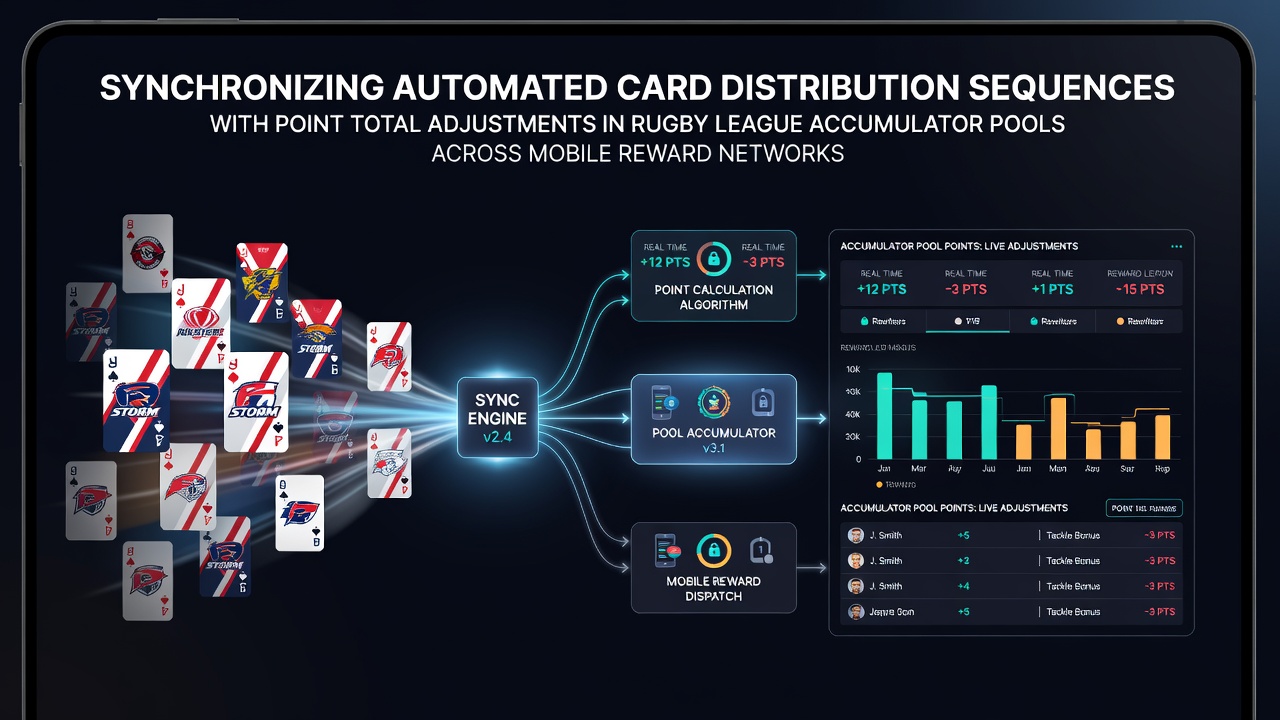
Automated card distribution sequences in rugby league accumulator pools rely on algorithmic coordination that aligns random card draws with real-time point total adjustments across mobile reward networks, and this process maintains consistency in multi-leg betting structures where outcomes depend on synchronized data feeds from multiple matches. Researchers have documented how these sequences operate through centralized servers that generate card values at fixed intervals while simultaneously recalibrating accumulator totals based on live scoring data from rugby league competitions.
Core Mechanisms of Sequence Synchronization
Systems achieve synchronization by embedding timestamp protocols within card generation modules that cross-reference point adjustments derived from official match feeds, so operators can process accumulator entries without lag when scores shift during games. Data from mobile reward platforms shows that these protocols reduce discrepancies in point totals by linking card sequences directly to betting ledgers, and this linkage allows reward points to update automatically once an accumulator leg settles. Observers note that the approach requires precise timing because rugby league matches feature frequent scoring bursts that demand immediate recalibration of running totals across thousands of active pools.
Integration Across Mobile Reward Networks
Mobile reward networks incorporate these synchronized sequences by routing card distribution outputs through application programming interfaces that connect to user accounts, which means reward allocations adjust in tandem with accumulator performance metrics. Studies indicate that networks handling high volumes of rugby league bets benefit from this setup because it prevents mismatches between card-based bonuses and actual point outcomes, and operators report smoother user experiences when sequences refresh every few seconds during peak match periods. In October 2026 several platforms expanded these connections to include cross-device tracking that preserves accumulator integrity even when users switch between phones and tablets mid-event.
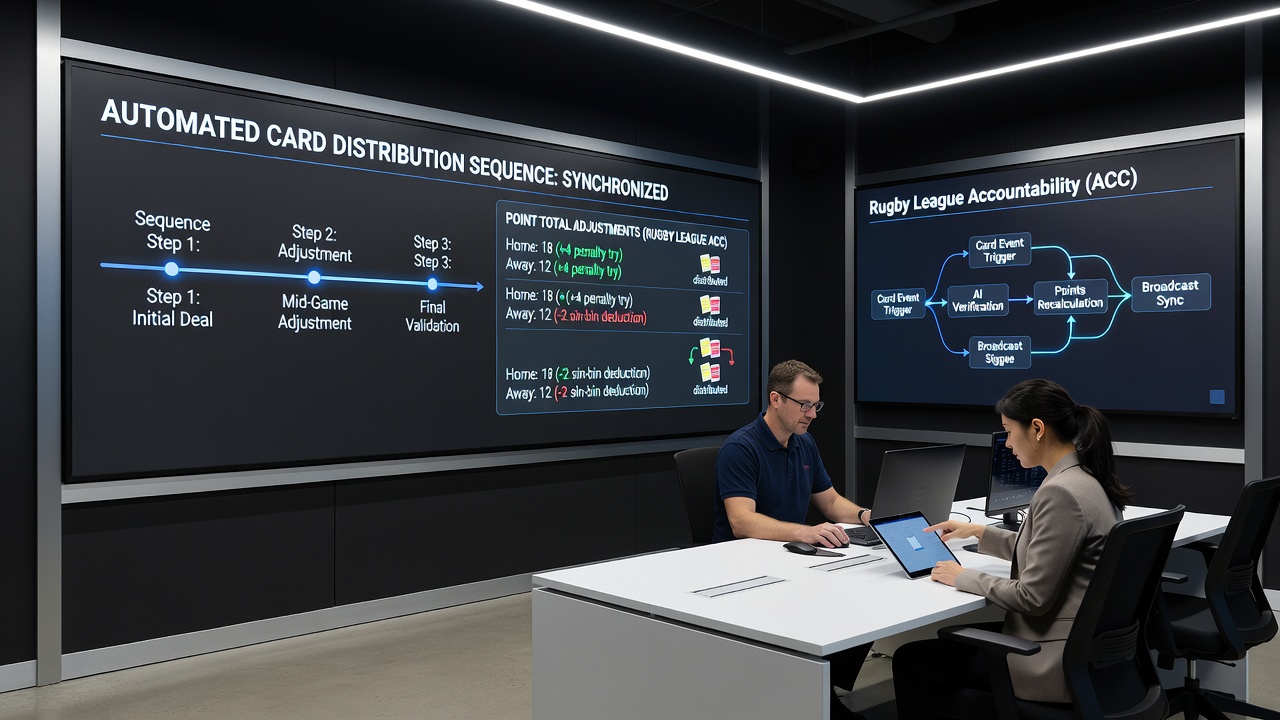
Point total adjustments occur through layered verification steps where each card sequence draw triggers a check against current match statistics, and this verification pulls data from authorized league sources to ensure accuracy. Those who manage accumulator pools have observed that the adjustments account for variables such as field goal attempts and penalty kicks common in rugby league, which keeps the overall pool balances aligned with the latest scoring developments.
Technical Infrastructure and Data Flows
The infrastructure supporting these operations combines random number generators for card sequences with dynamic databases that store point totals, and the two components communicate through encrypted channels that update in sub-second intervals. Figures reveal that mobile networks processing rugby league accumulators handle millions of sequence adjustments daily, which requires robust error-correction algorithms to maintain pool stability when unexpected match events occur. Experts have examined how these flows extend to reward redemption features, allowing users to convert synchronized points into credits without manual intervention once the accumulator resolves.
Case examples from operators demonstrate that integration with external match data providers strengthens the synchronization, since card distributions can pause or accelerate based on real-time score feeds rather than fixed schedules. This flexibility proves essential during tournaments where multiple games run concurrently, and the resulting accumulator pools reflect cumulative adjustments across all legs without requiring separate user actions.
Regulatory and Operational Considerations
Regulatory frameworks in regions hosting major rugby league events require operators to document how automated sequences interact with point adjustments to ensure transparency in reward distributions, and compliance reports often detail the audit trails generated during each synchronization cycle. Industry organizations such as the Australian Rugby League Commission have published guidelines that address data integrity in these mobile systems, which helps standardize practices across different networks. Another source of reference comes from academic analyses conducted by the Australian Institute of Criminology, which examined patterns in accumulator pool management and their connection to reward network security protocols.
Operational teams monitor these systems through dashboards that display sequence status alongside point total metrics, allowing quick identification of any desynchronization events. When issues arise the platforms initiate rollback procedures that revert both card distributions and point calculations to the last verified state, preserving the integrity of active accumulator entries across user bases.
Conclusion
Synchronization of automated card distribution sequences with point total adjustments continues to evolve as mobile reward networks expand their coverage of rugby league accumulator pools, and the technical linkages between these elements support consistent processing of bets and rewards. Data shows that ongoing refinements in timing protocols and data verification methods address the demands of live match environments, which keeps operations aligned with the pace of rugby league competitions. Those managing these platforms focus on maintaining the connections that allow card sequences and point totals to function as a unified system across devices and user sessions.